Pallets are a vital element in the industrial world, especially in logistics. Functioning to simplify the processes of storage, transport, and distribution, these tools act like silent heroes. There are various types of pallets with different materials, sizes, and functions depending on operational needs.
Curious about the pallet types used in cargo operations? And what are the advantages and disadvantages of each pallet? Let’s explore them in detail so you can choose an efficient, safe, and industry-standard logistics solution!
Types of Pallets Based on Material
In the logistics industry, pallets are not made from a single type of material. This is due to the diverse nature of industries and their products. Companies typically seek pallets that can optimally protect their goods.
Each material has unique characteristics that influence durability, weight, cost, and suitability for different industrial sectors. Here are explanations of the seven most commonly used pallet types:
1. Wooden Pallet
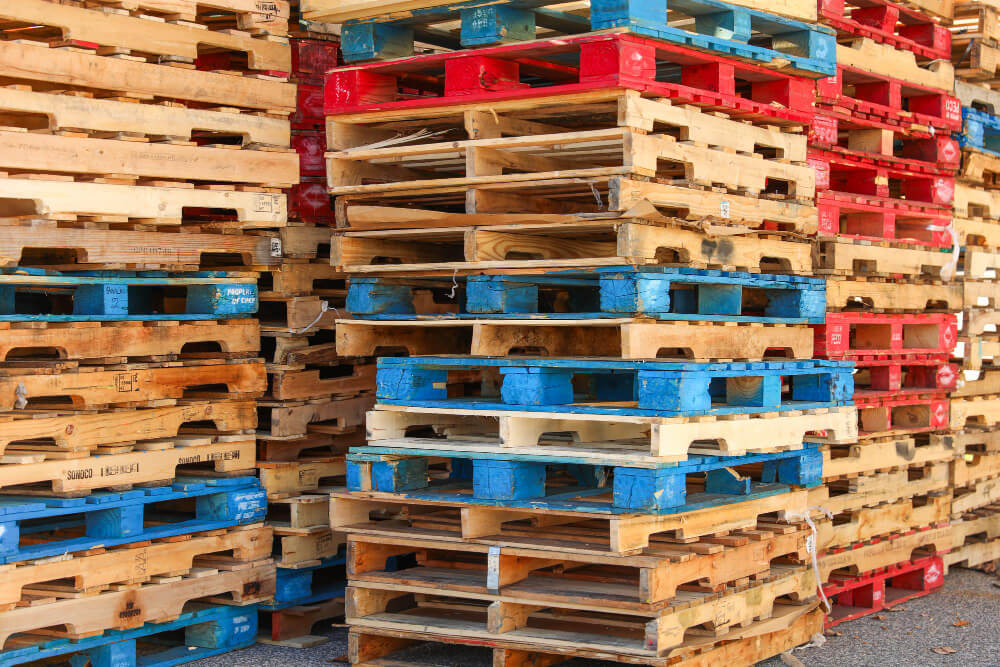
Wooden pallets are the most widely used type because they are affordable and easy to repair. This type is suitable for domestic shipping and heavy loads. However, wooden pallets are less resistant to moisture and pests unless they undergo fumigation.
2. Plastic Pallet
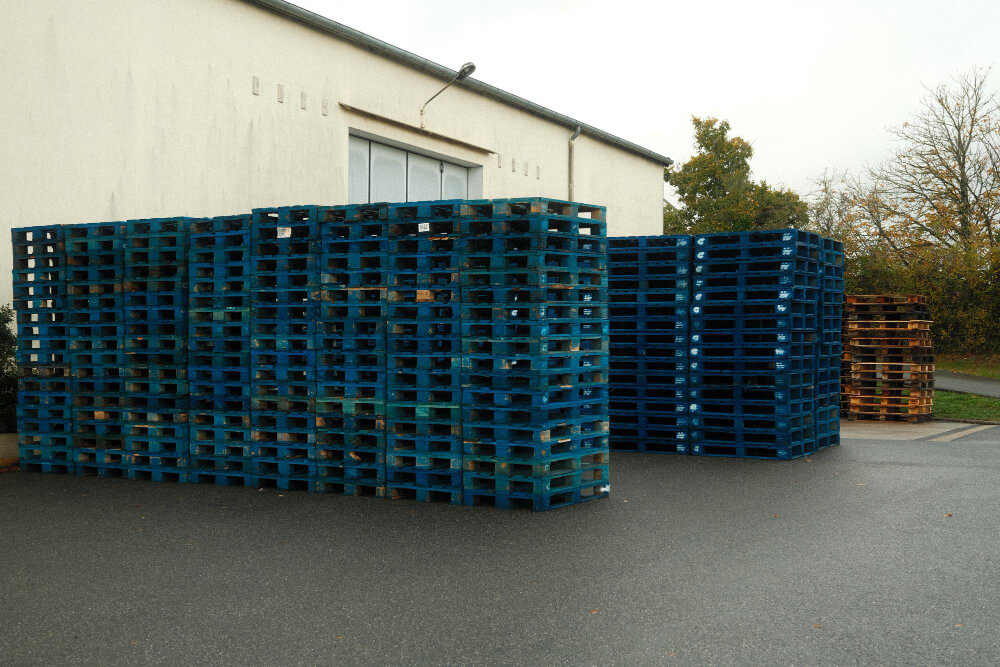
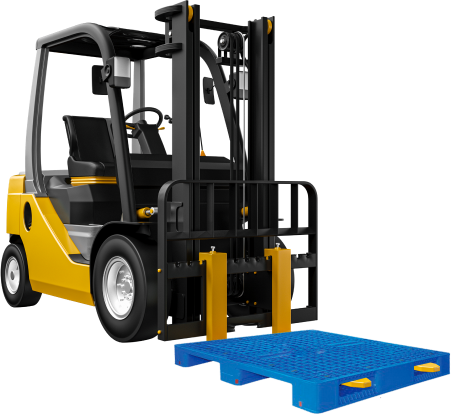
Made from Polypropylene (PP) or High-Density Polyethylene (HDPE), plastic pallets are lightweight, water-resistant, and easy to clean. They are ideal for the food, pharmaceutical, and export industries that require high hygiene standards.
3. Metal/Steel Pallet
Known for their exceptional strength, metal or steel pallets are used for very heavy loads or extreme environments, such as automotive factories or metal warehouses. Despite their durability, these pallets are heavy and more expensive than other types.
4. Paper/Cardboard Pallet
Paper or cardboard pallets are an eco-friendly solution made from recycled materials. They are lightweight and disposable, suitable for single-use applications, especially in air freight. However, they are not durable because they cannot withstand water or heavy loads.
5. Fiber Pallet (Fiberglass Reinforced Plastic/FRP)
Made from a combination of fiberglass and resin, FRP pallets are strong, corrosion-resistant, and safe for long-term use. They are commonly used in chemical and pharmaceutical industries due to their high resistance to chemical exposure.
6. Aluminum Pallet
Aluminum pallets are suitable for hygienic zones like laboratories and food processing facilities because they are highly durable yet lighter than steel. Although the price is higher, they are long-lasting and resistant to rust.
7. Composite/Hybrid Pallet
Hybrid pallets combine two or more materials such as plastic and metal to achieve both strength and cost-efficiency. They are widely used in industries requiring high durability without adding too much weight.
Types of Pallets Based on Design and Structure
Apart from material, pallets also vary in design and structural features that influence how they are used in warehouses or during distribution.
Choosing the right design can enhance storage efficiency, simplify product movement, and reduce operational costs. Here are several pallet types based on design and structure:
1. Solid Deck vs. Open Deck Pallet
The key difference lies in the surface design.
- Solid deck pallets have a closed surface without gaps, making them ideal for small items, liquids, or products requiring high hygiene, such as food and pharmaceuticals.
- Open deck pallets (vented pallets) have gaps that provide airflow and drainage, making them suitable for wet products or goods requiring ventilation.
2. One-Way vs. Two-Way vs. Four-Way Pallet
These categories are based on forklift or pallet jack entry points:
- One-way pallets: Accessible from only one side; typically used for single-trip shipping.
- Two-way pallets: Can be accessed from two opposite sides, suitable for simple handling.
- Four-way pallets: Allow forklift entry from all four sides, offering maximum flexibility and faster logistics flow. They are the preferred choice in modern warehouses.
3. Nestable vs. Stackable Pallet
Both are designed for space efficiency but function differently:
- Nestable pallets have a design that allows them to fit into one another when empty, reducing warehouse or truck space use by up to 60%.
- Stackable pallets are designed to be stacked securely on top of one another, suitable for heavy and stable storage.
In practice, nestable pallets are ideal for export logistics or one-way shipping, while stackable pallets are more suitable for long-term warehouse storage.
Advantages and Disadvantages of Each Pallet Type
Which pallet is best for your needs? Each type has unique characteristics in durability, weight, cost, and maintenance. Here is a comparison summary:
- Wooden pallet: Affordable, repairable, and strong. However, it is prone to moisture, termites, and has limited longevity. Best for general logistics.
- Plastic pallet: Lightweight, water-resistant, and easy to sanitize. Downsides include higher upfront cost and difficulty in repair. Ideal for food, pharma, and export sectors.
- Metal/steel pallet: Extremely durable and heat-resistant. Heavy and expensive. Used in automotive and heavy metal industries.
- Paper pallet: Eco-friendly, lightweight, and economical. But absorbs water easily and is fragile. Suitable for air-freight or single-use.
- Fiber/FRP pallet: Strong and chemical-resistant but expensive and heavier. Excellent for chemical and pharmaceutical protection.
- Aluminum pallet: Lightweight, rust-free, and durable. More expensive and may dent when heavily impacted. Popular in food and laboratory environments.
- Composite/hybrid pallet: Strong and lightweight. However, expensive and hard to recycle. Ideal for modern warehouses with high rotation.
Tips for Choosing the Right Pallet
To protect your valuable products, selecting the right pallet is essential. Here are smart tips to guide you:
- For food and pharmaceuticals: choose plastic or aluminum pallets for hygiene and easy cleaning.
- For heavy manufacturing: choose steel or FRP pallets for durability.
- For export or single-use shipping: paper or wooden pallets offer better cost efficiency.
- For space and logistics efficiency: consider composite or nestable pallets.
By understanding these comparisons, you can determine the most efficient pallet type for your storage and distribution needs.
Looking for High-Quality Plastic Pallets? Intraco Pallet Has You Covered!
Intraco Pallet has over 17 years of experience protecting products throughout the logistics chain for both local and international clients.
Their plastic pallets are guaranteed hygienic and help companies meet regulatory standards such as ISO 22001 and HACCP Certification. Available in various sizes, competitively priced, and exceptionally durable!
Get your high-quality plastic pallets today! Need complete product specifications or a special offer? Contact the Intraco Pallet sales team via WhatsApp!