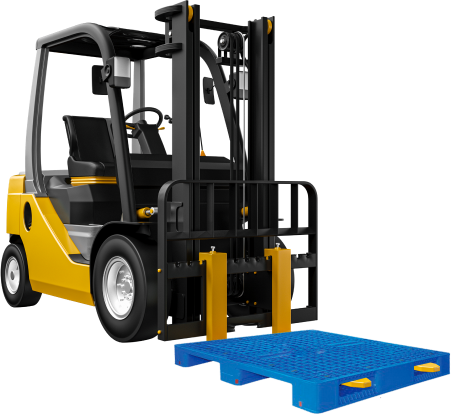
In the logistics industry, pallets play a vital role in ensuring efficiency in storage, transportation, and distribution. The two most commonly used types are plastic pallets and wooden pallets. Each comes with its own advantages and drawbacks, so it’s important for businesses to understand which option best fits their operational needs.
Plastic Pallets: Advantages & Disadvantages
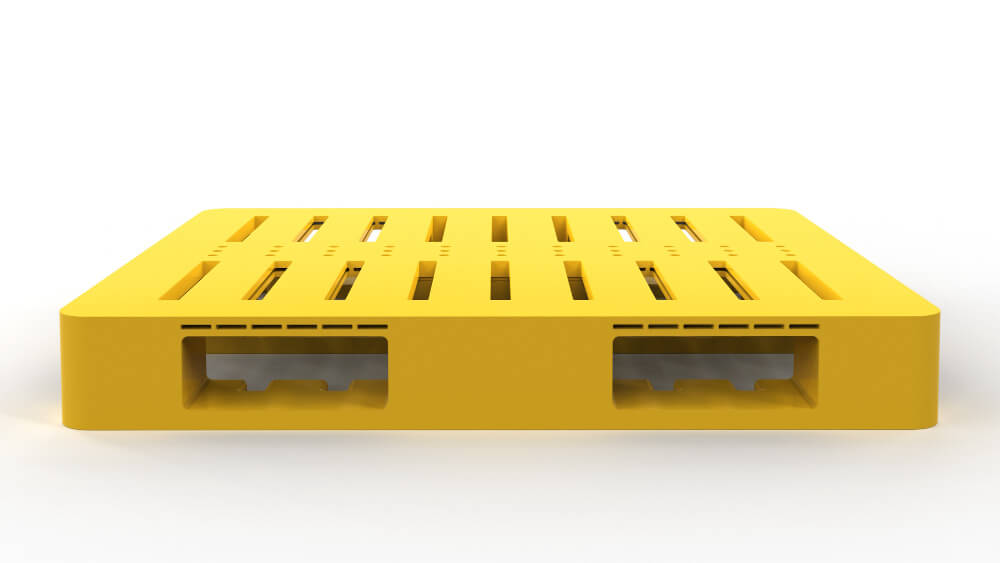
Plastic pallets are becoming increasingly popular due to their durability and higher hygiene standards compared to wooden pallets. Although the upfront cost is higher, plastic pallets offer long-term value that is hard to beat.
Advantages
Here are the key advantages that make plastic pallets an attractive investment for many industries:
- Long-Lasting and Durable: Plastic pallets don’t easily crack, rot, or become infested by insects, allowing them to be used repeatedly for many years. Their durability reduces the need for frequent replacements and minimizes disruptions in the supply chain.
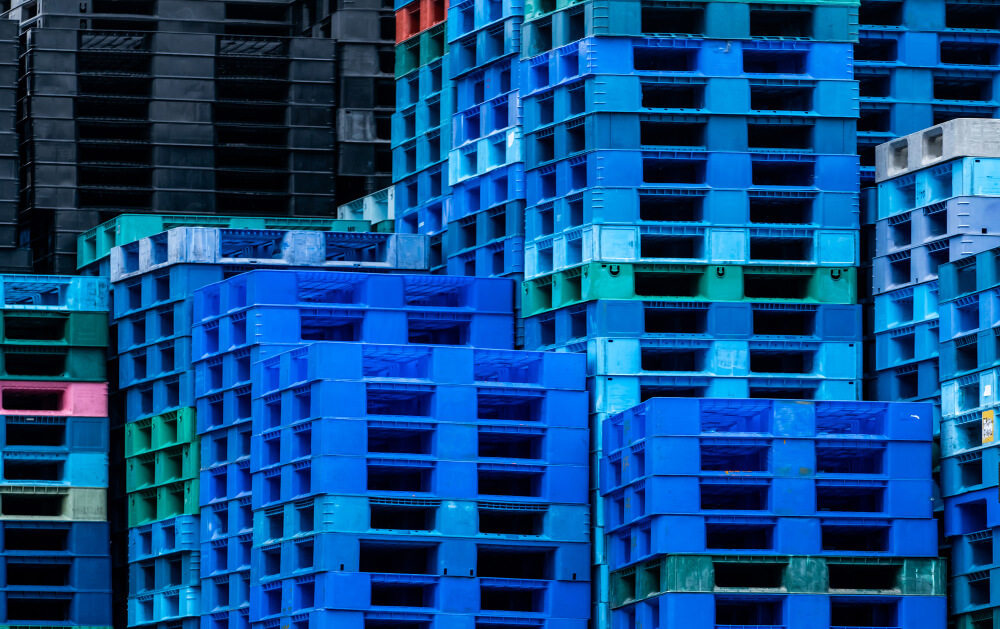
- Efficient and Consistent: Plastic pallets are manufactured with consistent dimensions, making stacking and warehouse storage easier and more efficient. This uniformity also supports the use of automated equipment such as forklifts and conveyor systems.
- Superior Hygiene: Plastic material is easy to clean and does not absorb water or contaminants, making it ideal for industries like food, pharmaceuticals, and other sensitive goods. This reduces the risk of contamination and product damage.
- Environmentally Friendly: Many plastic pallets are made from recycled materials and can be recycled again at the end of their lifecycle, supporting eco-friendly logistics practices.
- Long-Term Cost Efficiency: Although the initial cost is higher than wooden pallets, their long lifespan and low maintenance needs make plastic pallets more cost-effective over time. Businesses can allocate their budget more effectively without worrying about frequent pallet replacements.
Disadvantages
Despite their many benefits, plastic pallets also have some limitations:
- Higher Initial Cost: Plastic pallets can cost two to three times more than wooden pallets upfront. This may be a concern for businesses with limited budgets, even though long-term savings are often substantial.
- Difficult to Repair: Unlike wooden pallets, plastic pallets cannot be repaired and must be replaced when damaged. Even minor damage can render them unusable, requiring backup stock to be prepared.
- Less Suitable for Extreme Loads: Some plastic pallets may not support extremely heavy loads compared to heavy-duty wooden pallets. Choosing the right plastic pallet type is crucial to match the product weight and handling needs.
- Requires Accurate Type Selection: Plastic pallets come in various types—solid, ventilated, foldable, and more. Choosing the wrong type can affect performance and cost efficiency.
Wooden Pallets: Advantages & Disadvantages
Wooden pallets are still widely used due to their low initial cost and flexibility. However, their limitations are becoming more apparent, especially in modern logistics environments that demand hygiene and long-term efficiency.
Advantages
Despite the rise of plastic pallets, wooden pallets remain relevant thanks to several benefits:
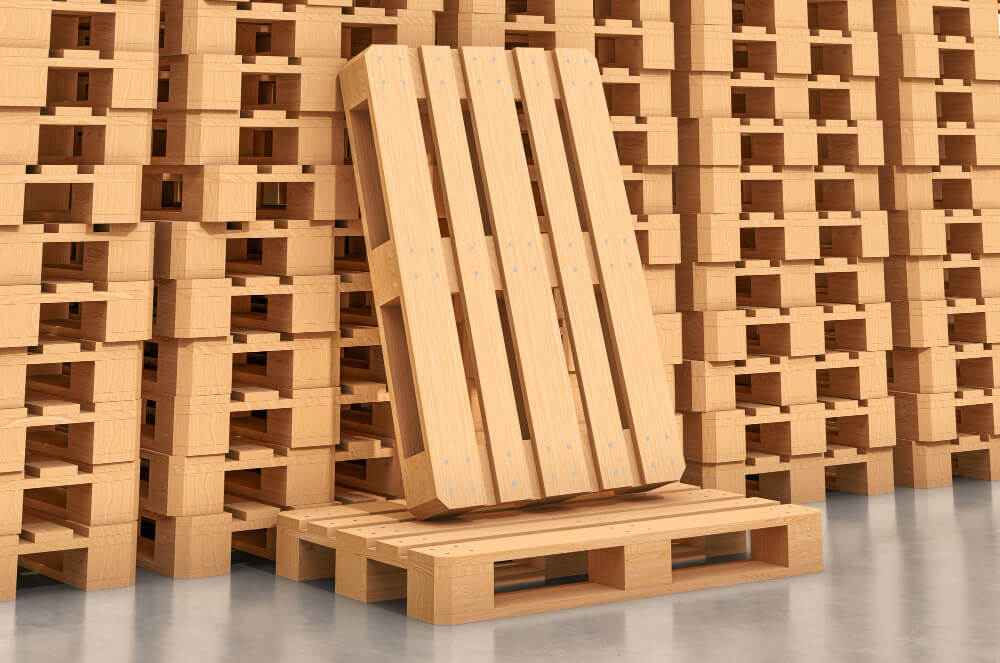
- Lower Initial Price: Wooden pallets are more affordable, making them suitable for businesses with limited startup capital. The low upfront cost makes them practical for small businesses or medium-scale shipment needs.
- Easy to Repair: Damaged wooden pallets can be repaired easily by replacing or reinforcing certain parts, reducing waste and avoiding the need for total replacement.
- Strong Load Capacity: Wooden pallets, especially those made from solid wood, can support heavy loads. This makes them ideal for industrial goods or construction materials that require extra strength.
- Widely Available: Wooden pallets are easy to find in almost any logistics market. Their availability makes large-volume procurement convenient and fast.
Disadvantages
However, wooden pallets come with several challenges:
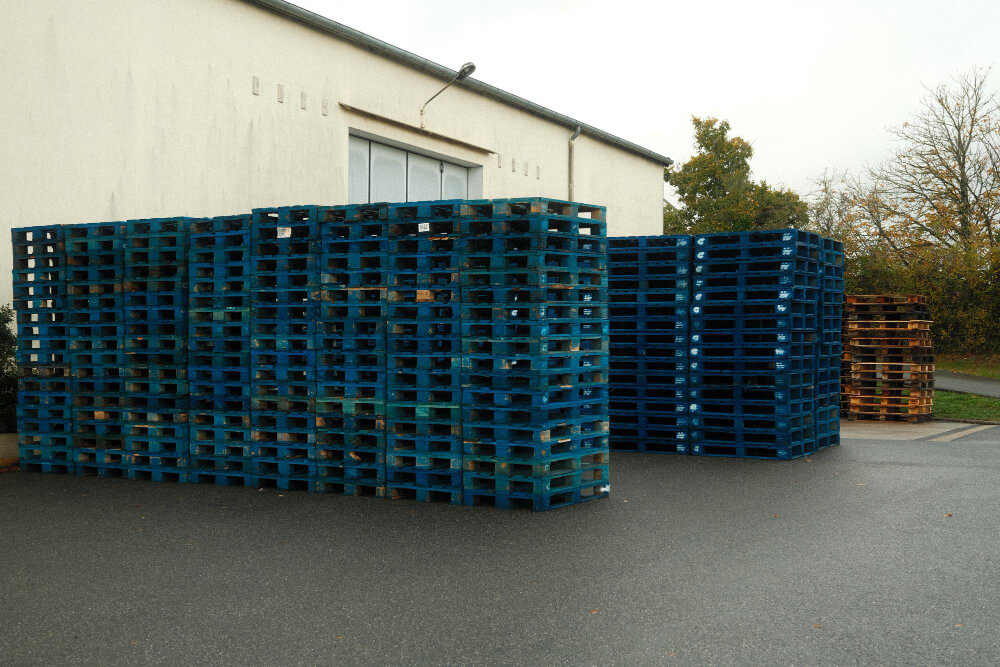
- Prone to Damage and Rot: Wood is susceptible to cracking, rotting, and insect attacks, leading to a shorter lifespan compared to plastic pallets. Frequent damage increases long-term operational costs.
- Low Hygiene: Wood absorbs water and dirt, making it difficult to clean. This makes wooden pallets unsuitable for industries requiring strict hygiene standards such as food and pharmaceuticals.
- Heavier and Less Uniform: Wooden pallets are generally heavier and vary in dimensions, making stacking, storage, and transportation less efficient. This inconsistency also affects compatibility with automated handling systems.
- Less Eco-Friendly: Unless sourced from sustainable forestry, wooden pallets may contribute to deforestation. Using non-certified wood should be avoided.
- Less Efficient for Export: Wooden pallets typically require fumigation or heat treatment for international shipping to prevent pest spread. These additional steps increase time and cost, making them less practical for export compared to plastic pallets.
Which One Offers Better Long-Term Value?
When it comes to long-term efficiency and value, plastic pallets often outperform wooden pallets. Operational costs are not solely determined by purchase price. With plastic pallets, recurring expenses, repairs, replacements, cleaning issues, and export treatments—can be significantly reduced.
Their durability and compatibility with automated systems enhance safety, consistency, and overall workflow efficiency. Over a five-year period, businesses typically experience substantial savings thanks to their longevity and low maintenance needs. Therefore, although the initial investment is higher, the long-term benefits are clear and worthwhile.
How to Choose the Right Pallet for Your Business
Choosing the right pallet should not be taken lightly. Here are steps to ensure you select the most suitable option:
1. Identify Your Logistics Needs
Consider the type, weight, and frequency of shipments. Wooden pallets are suitable for heavy, bulky goods, while plastic pallets are ideal for sensitive or hygienic products and automated handling systems.
2. Consider the Usage Environment
For humid, outdoor, or high-hygiene environments such as food and pharmaceutical industries, plastic pallets are safer and more durable.
3. Evaluate Efficiency and Sustainability
Beyond initial cost, consider long-term expenses including maintenance and lifespan. Plastic pallets provide more efficient long-term use, high reusability, reduced product damage risk, and lower waste generation.
4. Consult an Experienced Supplier
A knowledgeable pallet supplier can recommend the right type based on product characteristics, shipping routes, and hygiene standards, ensuring optimal value and performance.
Conclusion
Both plastic and wooden pallets have their strengths. However, in terms of long-term efficiency, hygiene, and standardization, plastic pallets stand out. They are durable, easy to clean, and suitable for various industries, helping maintain product quality and ensure smooth operations.
For reliable and efficient logistics needs, choosing plastic pallets from a trusted supplier like Intraco Pallet is a practical and dependable solution.
Enhance your logistics workflow with high-quality plastic pallets from Intraco Pallet and experience smoother distribution processes.